
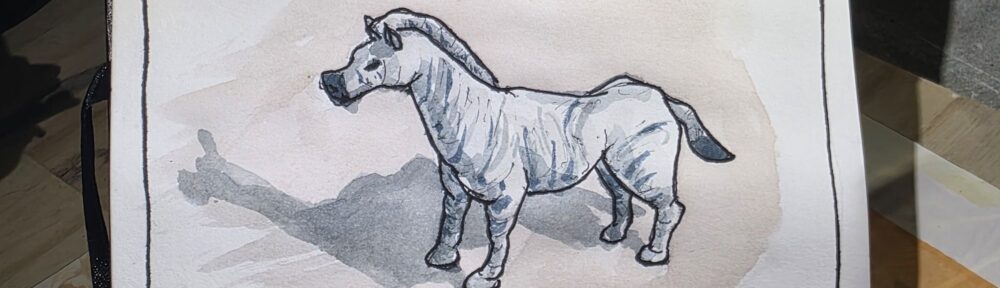
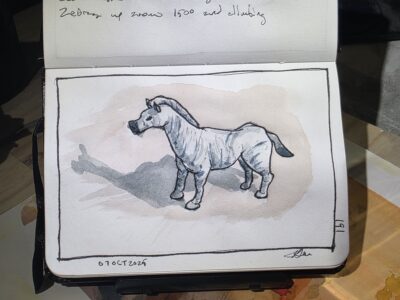
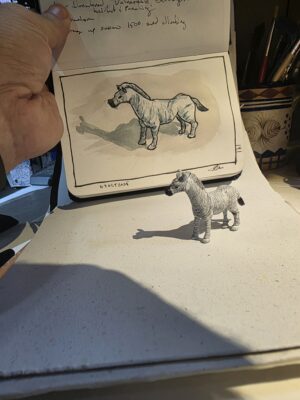
The toy on my desk is a zebra with no stripes, just etched grooves where the stripes should go. I decided to draw it as I see it and not as I think it should be.
Sketch & Coffee, Live! is streamed daily at 5:30am, Texas Time, at the YouTubes
Perissodactyls carry weight on one main toe, that is the horse and zebra family. Artiodactyls split it across two, that is the hippo and cattle crowd. Perissodactyls came up around 56 million years ago. Equus shows up in the Americas about four and a half million years ago, crosses the Bering land bridge into Eurasia, then dies out in the Americas later. The modern zebra shows up a little over two million years ago. They still try to interbreed with their cousins, but chromosome differences are too great for viable offspring.
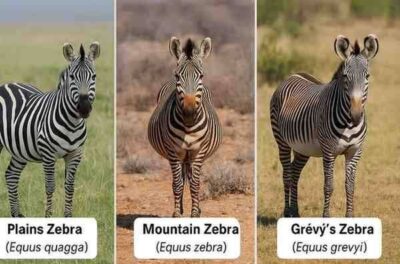
There are three I talked about here, the quagga, the zebra, and the Grevy. Quaggas and zebras can still interbreed and produce viable offspring, but they are not very good at it. Grevy’s sits too far away and can no longer interbreed with its cousins. That is speciation doing what it does.
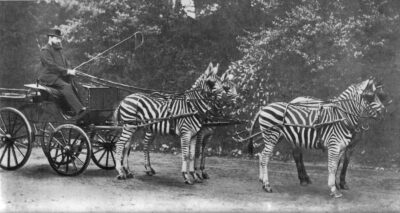
I went down the rabbit hole of domestication. People say zebras are too skittish, too wild, they kick and bite and bolt. Horses did the same, and we domesticated horses. What gets skipped is the timeline. Domestication followed agriculture. In the Fertile Crescent and the steppes it started about eleven to twelve thousand years ago. East and South Africa did not get that wave until four to five thousand years ago, and by then drought had set in. No steady forage, no protection, no long runway to select for calm. The stripes stayed wild because the land and the timing never lined up.
Click here to watch this episode of Sketch and Coffe
Also, if you, or a teacher friend, would like a 20-30 minute lesson plan about zebras, feel free to download and share this one:
Leave a Reply