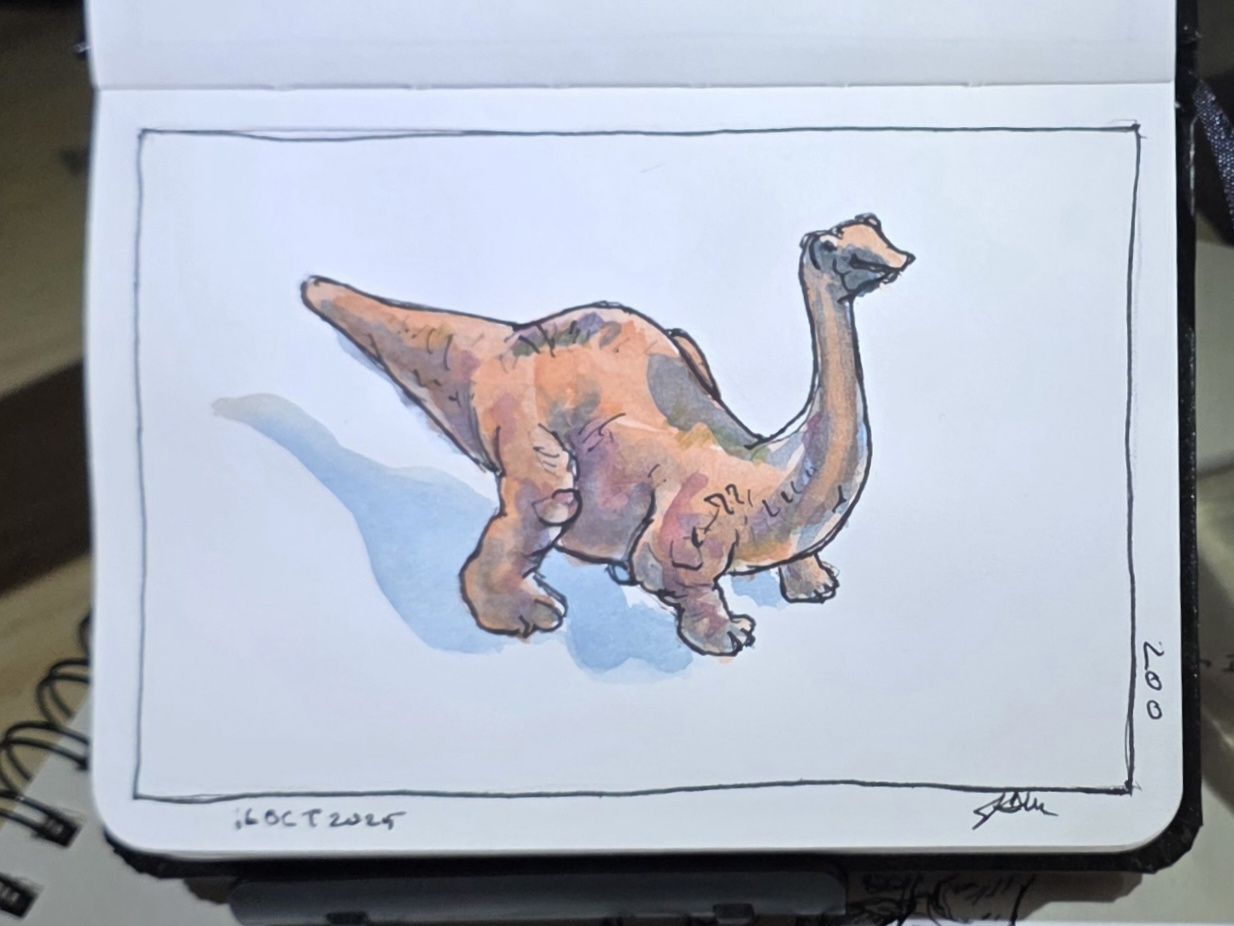
I had a Brontosaurus baby on the desk this morning, and we’re calling it that because it fits. The toy has a forehead, and it has clawed toes. You can’t see the tibia, but that forehead and those claws are enough for me. Those are the signs of Brontosaurus. The head-to-body ratio and the short tail make it look like a juvenile Brontosaurus, so that’s what I went with.
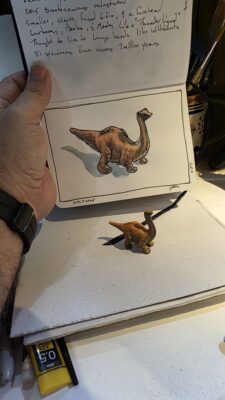
While I was sketching, we talked about how Brontosaurus lived about 150 million years ago in the Late Jurassic, right as Pangaea was splitting apart. That’s why their fossils are found only in North America. The landmasses separated, and the animals on each side evolved differently. That separation gave us Brontosaurus here and other sauropods elsewhere.
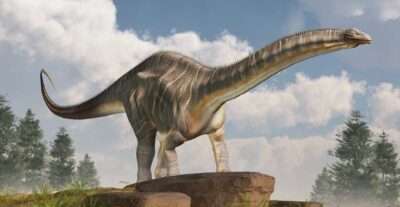
Then we got into the Bone Wars, when Marsh and Cope fought to name everything they could dig up. Marsh named both Apatosaurus and Brontosaurus, which turned out to be a problem later. In 1903, Riggs said they were the same animal, and Brontosaurus was dropped from the list for more than a hundred years.
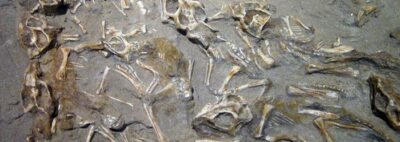
Then in 2015, researchers looked again and said there were enough differences to bring Brontosaurus back. Brontosaurus was lighter built, a little smaller than Apatosaurus, and had that distinct forehead, fused tibia, and thumb claw that may have helped it pull itself up or grip trees. Apatosaurus was thicker and heavier. The names say a lot too. Brontosaurus means Thunder Lizard, Apatosaurus means Deceptive Lizard.
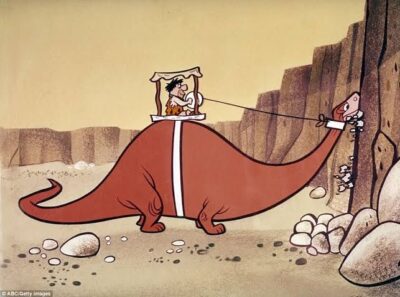
Thunder Lizard just sounds better, and that’s why the name stuck in popular use even when the scientists dropped it. The Flintstones in the 1960s kept right on calling it Brontosaurus even though the name had been dismissed since 1903. Pop culture carried it through generations while science argued.
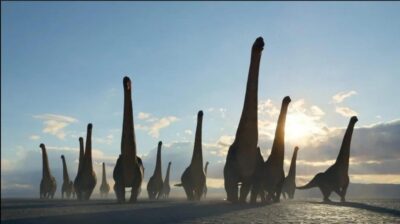
I wrapped up by mentioning how movies and textbooks still like to show Brontosauruses moving in herds, big sweeping shots of long necks in the fog, but that’s not really what the fossils show. There are only about eighty-one known specimens, and fewer than five are close to complete. There are groups of tracks left behind, but it’s not certain if they were contemporary to on another. There’s just not a lot to base entire herds on, but it makes the story interesting.
Click here to watch this episode of Sketching and Coffee
Also, if you, or a teacher friend, would like a 20-30 minute lesson plan about brontosaurs, feel free to download and share this one:
Leave a Reply