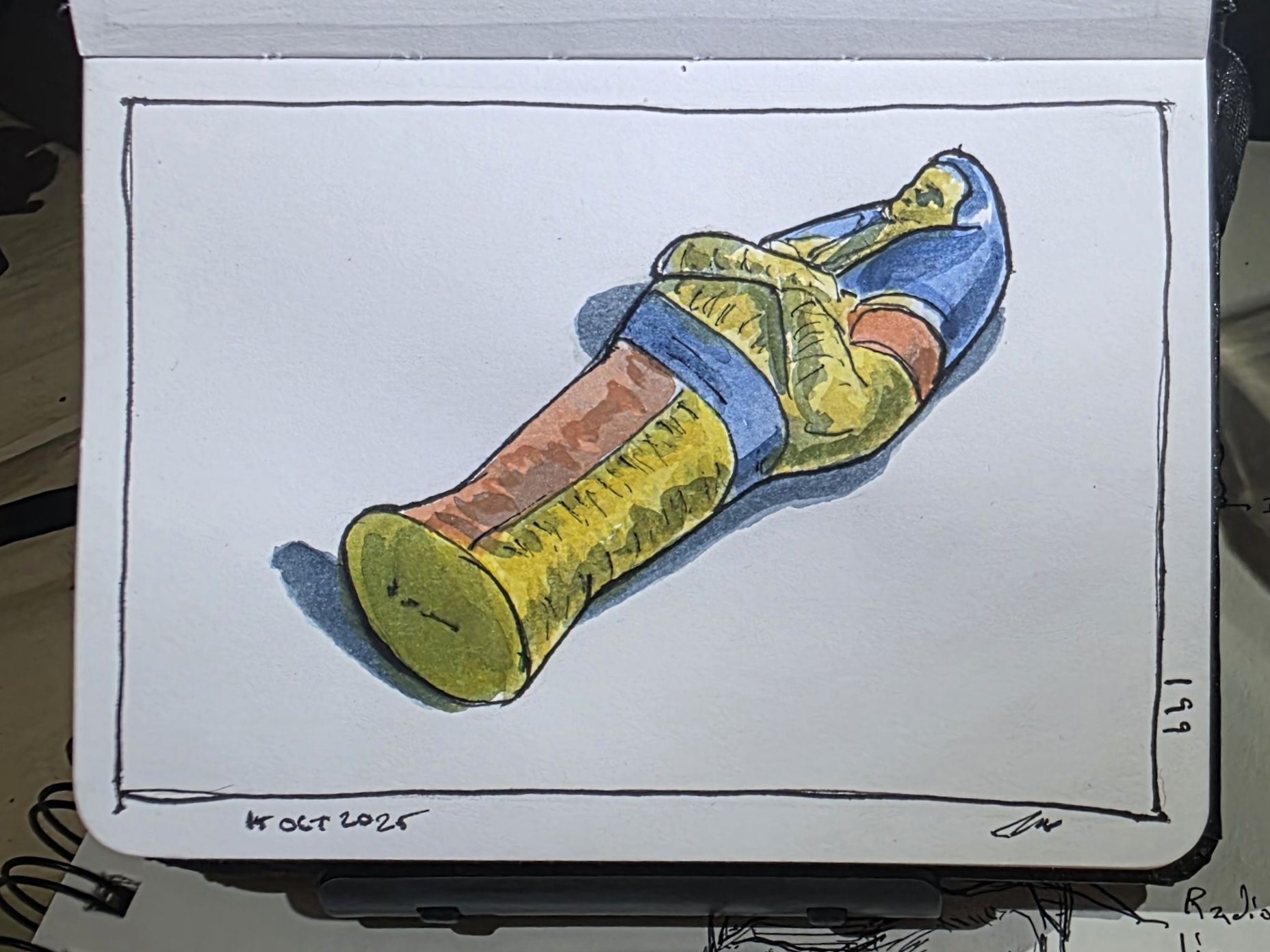
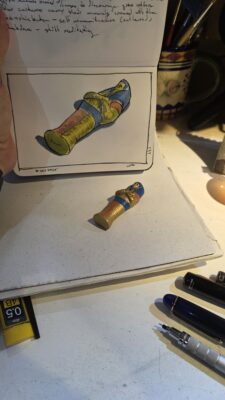
Today’s pull from the Random Object Randomogrifier was a mummy case, not a sarcophagus. I had that backward at first. A sarcophagus is the big outer stone coffin, the one everyone pictures with the gold mask and the hieroglyphs. The mummy case is the body-shaped shell that actually holds the wrapped person. It fits tight, like a second skin, and then that case is placed inside the coffin or the sarcophagus. It’s a nesting doll of protection and ritual.
Sketch & Coffee, Live! is streamed daily at 5:30am, Texas Time, at the YouTubes
We talk about mummies like they’re horror movie props, but those curses and carvings had a purpose. The texts warned off grave robbers, sure, but they were really about protecting the soul on its journey. Somewhere along the line, that became entertainment. Western media turned sacred symbols into punchlines. The truth is, these people weren’t trying to scare anyone. They were building a doorway to eternity using the only tools they had, salt, linen, resin, and hope.
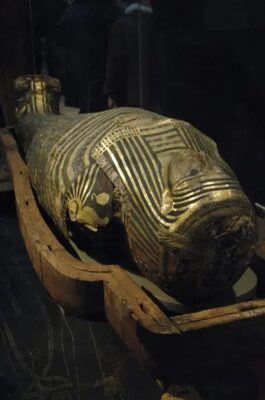
I went digging for the oldest mummy cases and the biggest finds, and the numbers are staggering. Some sites, like Saqqara, have yielded hundreds of intact coffins, stacked together like history’s lost storage units. The oldest Egyptian cases go back more than four thousand years, but the idea of mummification reaches even deeper into time.
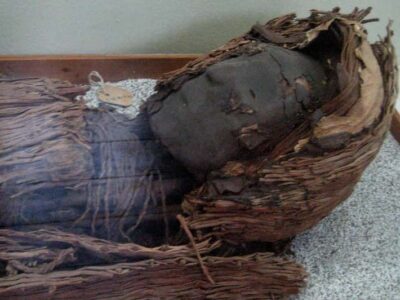
Down in South America, people along the Chilean coast were smoke drying their dead ten thousand years ago, and over in Asia, monks were perfecting their own brand of preservation. That led me straight into the strangest rabbit hole of all, the self mummifying monks.
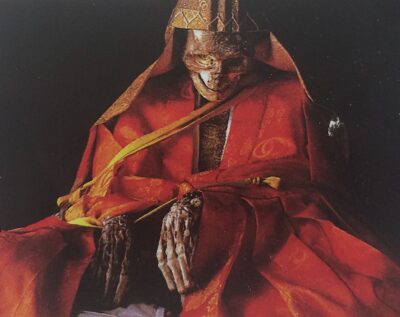
These monks would spend years preparing for death by meditating, eating pine needles, and drinking lacquered tea to slowly dehydrate themselves. When they finally died, they’d be sealed in a small chamber to continue meditating into eternity. Some still sit there, perfectly preserved, as if the body never got the message that the spirit had moved on. It’s eerie, but it’s also kind of beautiful.
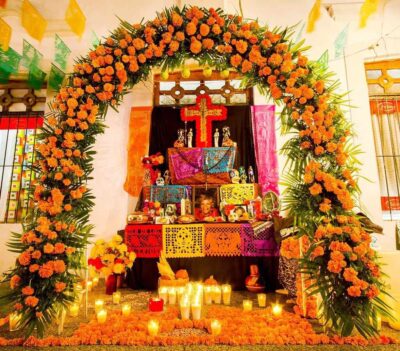
Talking about death gets personal fast. My dad worked in funeral care, and he treated people with a quiet kind of dignity that stuck with me. I joked about turning myself into a diamond or scattering my remains at Disneyland, but I don’t want them to be cremated. Underneath the humor is a truth I keep coming back to, memory is the real afterlife. As long as someone remembers you, you’re not completely gone.
Click here to watch this episode of Sketch & Coffee
Also, if you, or a teacher friend, would like a 20-30 minute lesson plan on mummy cases and mummies, feel free to download and share this one:
Leave a Reply