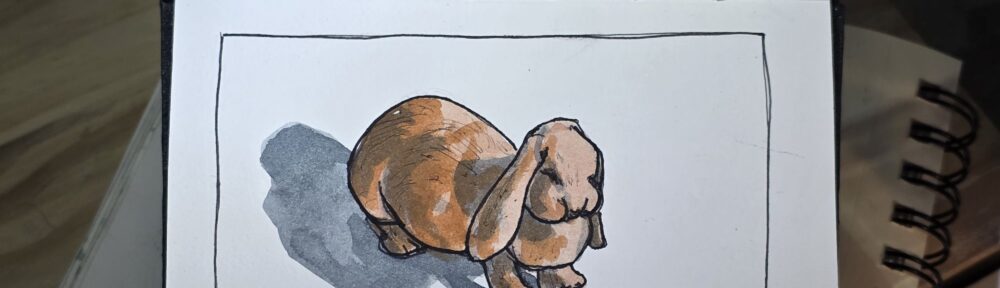
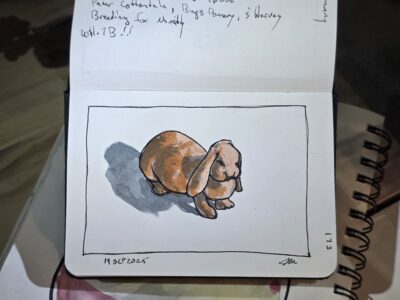
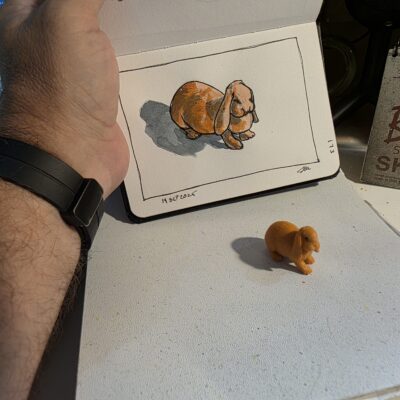
Today’s random object is a floppy eared bunny. Two big circles on the page set the stage for the little rabbit, and before long the conversation turned to how different rabbits and hares really are.
Sketch & Coffee, Live! is streamed daily at 5:30am, Texas Time, at the YouTubes
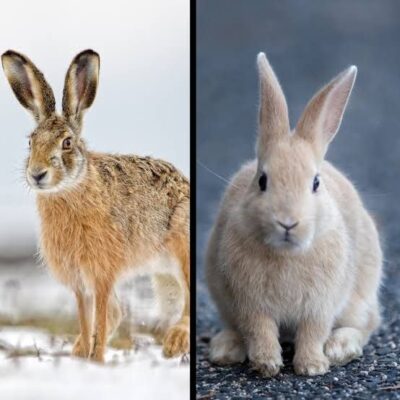
Rabbits are helpless when they are born, eyes closed and totally dependent, while hares hit the ground ready to run, fully furred with their eyes open. Rabbits burrow, hares scrape nests on the surface, and both have followed separate evolutionary paths for millions of years. Lagomorphs, meaning hare-shaped, split from other placental mammals about 65 million years ago, then rabbits themselves only appeared about 200,000 years ago. That makes today’s floppy eared pets surprisingly young in the grand evolutionary timeline.
I laughed thinking about selective breeding, the choice to make ears long and floppy simply because people like them looking baby-like and cute. Once rabbits moved from hutches to laps, especially in the 1800s and into the 20th century, they became a symbol of pets and childhood. Families that once raised them for food began turning them into companions. That shift led to the stories of Peter Cottontail, Bugs Bunny, and even the Easter Bunny hopping into popular culture.
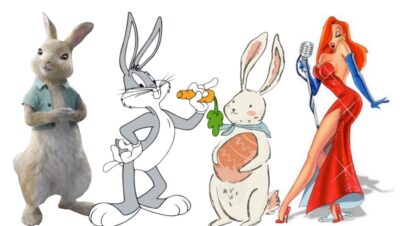
Like I said on stream, you look at a floppy eared bunny today and wonder what happened to the wild hare that once owned the open plains. Evolution, history, and a little human preference turned them into the crumb-catching lap pets we know.
Click here to watch this episode of Sketch & Coffee!
Also, if you, or a teacher friend, would like a 20-30 minute lesson plan about bunnies, feel free to download and share this one:
Leave a Reply